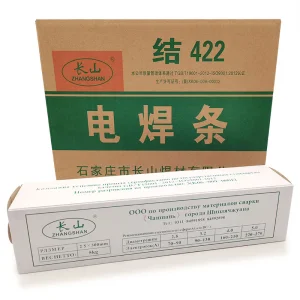
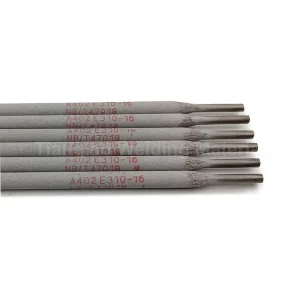
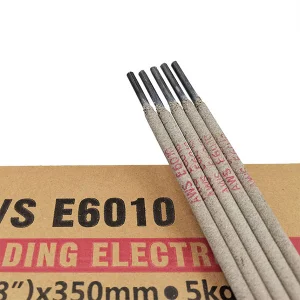
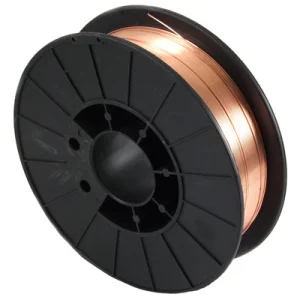
Explore our elite selection of industrial-grade welding electrode fluxes, specialized wires, and coated sticks designed for extreme mechanical durability.
In modern heavy industry, welding electrode flux is not merely an auxiliary agent—it is the metallurgical heart of the welding process. Whether deployed in Submerged Arc Welding (SAW) or Shielded Metal Arc Welding (SMAW), flux plays a decisive role in shielding the weld pool from atmospheric contaminants such as nitrogen and oxygen. It determines the ultimate mechanical performance, slag detachability, bead geometry, and microstructural integrity of the weldment.
Globally, structural integrity specifications are becoming more rigorous. Infrastructure, pressure vessel manufacturing, offshore wind platforms, and high-pressure oil pipelines demand welding joints that withstand severe stress, low temperatures, and corrosive environments. To meet these demands, raw materials used in fluxes—such as fluorite, calcium carbonate, titanium dioxide, and various ferroalloys—must be formulated with extreme chemical precision. China has emerged as the global epicenter of this advanced chemical synthesis, combining massive supply chain capability with rigorous quality controls.
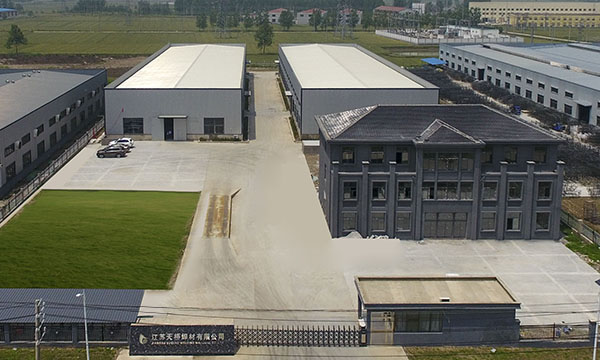
A decade of engineering excellence, metallurgical innovation, and reliable global distribution.
Founded in 2007, Shijiazhuang Tianqiao Welding Materials Co., Ltd. is situated in a strategic industrial zone 30 kilometers southwest of Shijiazhuang, Hebei Province, China. Our facilities lie only 20 kilometers west of the 107 National Highway, bordered closely by the Shixing and Jingzan Highways, ensuring frictionless logistical access to major container ports such as Tianjin Port.
Over the last 15+ years, we have built a reputation based on robust technical strength, pioneering research, and complete product testing capabilities. We operate a highly structured enterprise featuring dedicated units: Production Department, Technical Department, R&D Department, Quality Control (QC) & Laboratory, Sales Department, and Logistics Division. This organizational alignment guarantees that every batch of welding electrode flux and wire maintains stable mechanical properties and zero chemical deviations.
Engineering superior weld aesthetics, chemistry control, and slag management.
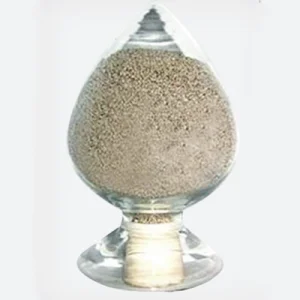
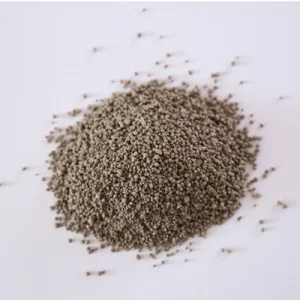
Our proprietary sintered and fused fluxes (including models like SJ301 and SJ302) are designed for multi-pass submerged arc welding. Featuring optimal basicity indexes, they yield stable arc characteristics, minimal smoke, clean weld profiles, and excellent low-temperature impact toughness.
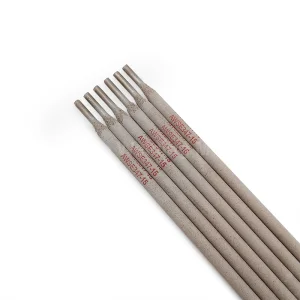
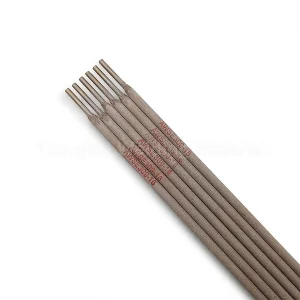
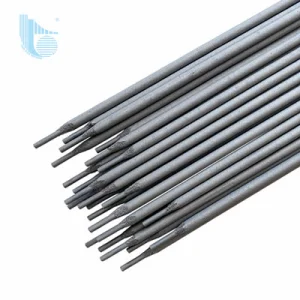
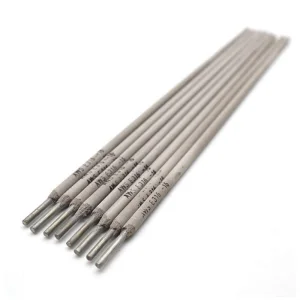
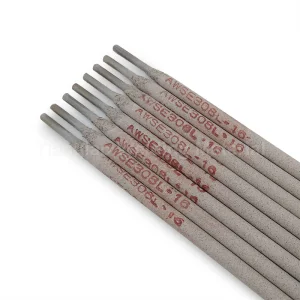
Providing unmatched corrosion and oxidation resistance. From low carbon steels to heat-resistant, low-temperature, and stainless steel alloys (AWS E316L-16, E309-16, E310-16), our stick electrodes feature highly controlled coating formulations to ensure minimal spatter loss.
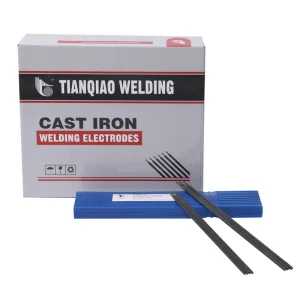
Featuring specialized electrodes such as AWS ENiFe-CI (Z408) for repairing cast iron parts and high-manganese steel electrodes (D256 AWS: EFeMn-A) built specifically to endure extreme wear, mechanical impact, and sliding friction.
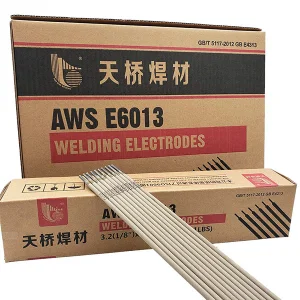
Our premium product lines, sold under the household brand names "Yuanqiao" and "Changshan", cover everything from basic carbon steels to complex, multi-alloy consumables. Each formulation is calibrated to provide exceptional slag detachability, sleek weld patterns, and outstanding anti-porosity performance even on mildly contaminated plate surfaces.
Why procurement managers worldwide prefer sourcing from Hebei's leading industrial manufacturing corridor.
Choosing a Chinese factory supplier like Shijiazhuang Tianqiao offers distinct advantages in efficiency, material sourcing, and scale. Our factory leverages localized raw material hubs for essential minerals like silica, manganese ore, fluorite, and calcium carbonate. This proximate raw material integration guarantees stable production costs and prevents supply disruptions.
Furthermore, our production lines utilize state-of-the-art automation. This guarantees that parameters such as baking temperature (critical for minimizing moisture and diffusible hydrogen in fluxes), granulation, and mixing times are executed precisely. We prevent the batch-to-batch inconsistencies that plague smaller manufacturers by running continuously under strict QC lab surveillance.
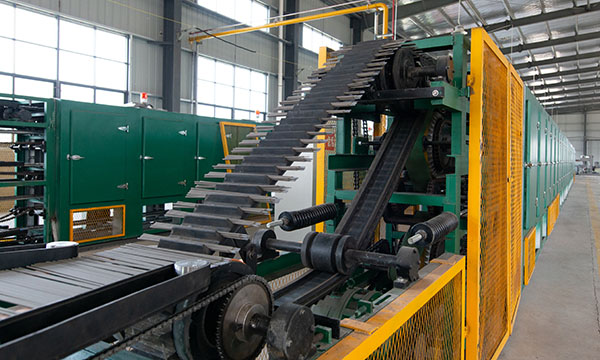
Welding electrode fluxes and consumables must perform under intense environmental stresses. Our range is optimized for highly specific, high-risk industrial scenarios:
The shift toward automation, eco-friendly bindings, and extreme low-temperature performance.
Cracking due to hydrogen remains a primary concern in heavy structural steel welding. Modern research at our R&D center focuses on creating ultra-low hydrogen fluxes and stick coatings that are resistant to moisture re-absorption, reducing the preheating times required on site.
As fabrication yards transition to multi-wire high-speed automated gantries, fluxes must be able to support currents exceeding 1000A without breaking down. Our SJ301/SJ302 series are engineered to maintain high arc stability under these extreme currents.
Worker safety regulations have pushed the industry towards low-fume formulations. By using organic binders and high-purity minerals, our latest products significantly reduce toxic fumes and fluorine dust release during structural welding operations.
Ensure project conformity by verifying key technical metrics and shipping standards.
Procuring welding consumables for massive construction projects or high-integrity industrial manufacturing requires rigorous pre-purchase evaluation. A failure to inspect certificate traces can result in catastrophic structural defects. B2B buyers must prioritize the following metrics during factory inspections:
At Shijiazhuang Tianqiao, we perform mechanical tests on every production batch to verify the following parameters:
Professional metallurgical and sourcing questions answered by Shijiazhuang Tianqiao's senior technical engineers.
Fused flux is manufactured by melting raw minerals in an electric furnace at temperatures up to 1500°C, followed by water cooling and sizing. It is highly resistant to moisture, but cannot easily accommodate deoxidizers or alloying elements due to the high processing temperatures. Sintered (agglomerated) flux, like our SJ301 and SJ302, is bound together using wet-bonding agents (sodium or potassium silicate) and baked at lower temperatures (350–500°C). This allows us to add active deoxidizers and critical alloying metals, providing superior mechanical properties and better low-temperature impact toughness.
The Basicity Index represents the ratio of basic oxides (like CaO, MgO, MnO, BaO) to acid oxides (like SiO2, TiO2, Al2O3). Higher basicity indexes generally lead to lower oxygen content in the weld metal. Acidic fluxes (BI < 0.9) provide excellent bead appearance and slag removal, but their impact energy properties at low temperatures are limited. Basic fluxes (BI > 1.2) are used for critical structural steel applications because they provide exceptional weld cleanliness and superior sub-zero impact toughness, although they may require cleaner steel surface preparation.
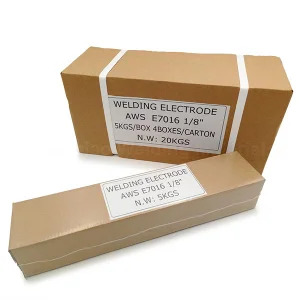
To avoid cold cracking, both stick electrodes and sintered fluxes must be kept dry. We recommend storing them in dry warehouses with a relative humidity below 60%. If a package is opened or exposed to humidity, the materials must be baked prior to welding: low-hydrogen electrodes (such as J506/E7016) should be baked at 350°C for 1–2 hours, while sintered fluxes like SJ301 should be baked at 300–350°C for 2 hours before being transferred to heated holding ovens near the welding station.
For cast iron repairs, AWS ENiFe-CI (our Z408 electrode) is highly recommended. The nickel-iron core wire provides excellent weld ductility, reducing the risks of post-weld cracking in brittle cast iron parent materials. For wear-resistant surfacing or hardfacing under high impact loads, the D256 (AWS: EFeMn-A) electrode is ideal. It deposits a high-manganese steel weld metal that work-hardens dynamically when subjected to heavy impact or abrasive friction.
Our quality assurance protocol includes complete trace-ability of raw minerals, hourly check-ups on baking oven temperatures during production, and final batch testing. No product batch is dispatched from the factory without passing chemical composition checks and mechanical load tests. All certificates are filed and shared with the client upon shipment departure.
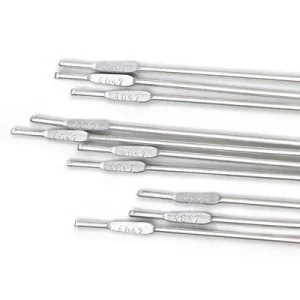
Select our OEM-spec mild steel electrodes, specialty stainless steels, and copper-coated solid wires for your specific welding lines.
 Tianqiao Welding