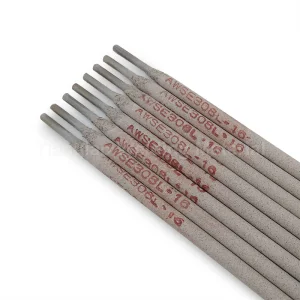
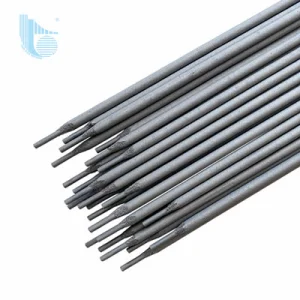
In the demanding world of metallurgical engineering, the E316L-16 welding electrode stands as the gold standard for joining extra-low carbon 18%Cr-12%Ni-2%Mo stainless steels. Unlike standard electrodes, the "L" signifies a controlled carbon content (typically <0.04%), which is critical in preventing intergranular corrosion caused by carbide precipitation at the grain boundaries during the welding thermal cycle.
Enriched with Molybdenum (Mo), E316L-16 offers exceptional resistance to pitting and crevice corrosion in chloride-heavy environments, making it indispensable for marine and chemical processing.
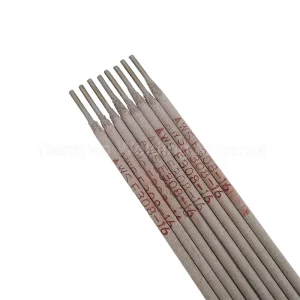
The "-16" suffix denotes a titania-rutile coating, optimized for both AC and DC operations. It provides a stable arc, minimal spatter, and a self-peeling slag that leaves a beautiful, bead-like finish.
Engineered for versatility, these electrodes maintain excellent control in flat, horizontal, vertical-up, and overhead positions, ensuring structural integrity in complex geometries.
As a leading OEM E316L-16 Welding Electrodes Manufacturer, our production process integrates advanced vacuum-melting techniques for the core wire and high-pressure extrusion for the flux coating. This ensures that every rod delivered from our factory meets the rigorous AWS A5.4 standards, providing the reliability that global infrastructure projects demand.
Procuring welding consumables from a specialized Chinese factory offers more than just cost efficiency; it provides a comprehensive ecosystem of material science and logistics excellence. Shijiazhuang Tianqiao Welding Materials Co., Ltd leverages this ecosystem to deliver high-performance products globally.
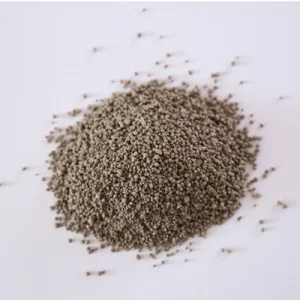
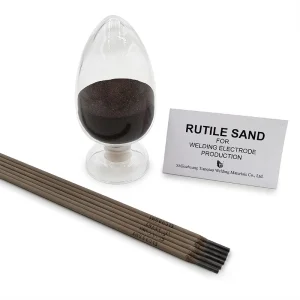
Direct access to high-purity Rutile sand and specialized Potassium silicate (used in flux binders) allows us to control quality from the molecular level, ensuring consistent arc performance.
We provide full-spectrum OEM services, including custom chemical compositions for specific alloys, private label packaging, and varied electrode lengths (250mm to 450mm) to suit regional preferences.
Located near the 107 National Highway and major shipping ports, our facility ensures rapid transit times to Europe, the Americas, and Southeast Asia, minimizing supply chain disruptions.
With multiple automated extrusion lines, we can scale production from small custom batches to multi-tonnage industrial orders without compromising on E-E-A-T principles.
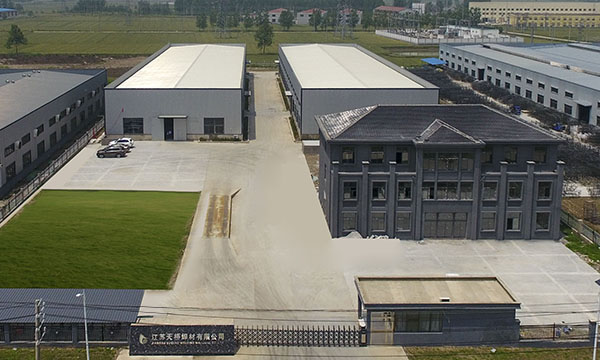
Shijiazhuang Tianqiao Welding Materials Co., Ltd was founded in 2007 located in 30 kilometers in the southwest of shijiazhuang. Our factory traffic is very convenient just 20 kilometers to the west of 107 national highway, also near to the Shixing and Jingzan highway. We have strong technical force, complete product testing equipment so that we can keep stable product quality. Our company is composed of production department, technical department, R&D department, QC & Laboratory, Sale department, Logistic department.
Under the spirit of "Supreme Quality, Honesty, Win-win cooperation", we are willing to achieve common development and create brilliance with all of customers. We are looking forward to establish mutual benefit, long-term and stable relationship with customers and distributors all over the world.
Our products include kinds of welding electrodes with the brand of "Yuanqiao", "Changshan", such as low carbon steel, low alloy steel, heat-resistant steels, low temperature steel, stainless steel, cast iron, hard surfacing welding electrodes. All kinds of sintered flux and various kinds of welding wire and various mixed welding powder. Our products have excellent performance, stable quality, elegant welding molding, good slag removal, good ability to resist rust, Stomata and crack, good and stable deposited metal mechanics performance.
E316L-16 electrodes are the backbone of modern industrial infrastructure. Our products are widely used in various national economic fields:
Ideal for welding pipelines, pressure vessels, and storage tanks containing corrosive acids or organic solvents. The molybdenum content ensures longevity in harsh chemical environments.
Extensively used in shipbuilding, offshore platforms, and desalination plants where resistance to saltwater pitting is non-negotiable.
With its smooth finish and low-carbon properties, E316L-16 is perfect for hygienic equipment, ensuring no contamination and ease of sterilization in food grade stainless steel fabrications.
Sales Market: Our products are one hundred percent exported and have sold worldwide, mainly to US, Europe, South America, Australia, Africa, Middle East, Southeast Asia and etc. Our products meet customers warm welcome due to the excellent quality, outstanding performance and competitive price.
For global procurement teams, compliance is the foundation of trust. We ensure that our E316L-16 electrodes align with international regulatory frameworks:
We provide localized technical support through detailed Material Test Reports (MTRs) and Certificate of Conformance (CoC) with every batch. Our R&D department works closely with clients to adjust flux formulations for specific local environmental conditions, such as high-humidity tropical zones or sub-zero arctic environments.
A: The "L" in E316L-16 stands for Low Carbon. It specifically limits carbon to under 0.04%, which reduces the risk of chromium carbide precipitation and subsequent intergranular corrosion. It is superior for applications involving service temperatures below 800°F (427°C) where maximum corrosion resistance is needed.
A: The -16 coating is a rutile-based flux that allows for both AC and DC+ (Direct Current Electrode Positive) welding. It offers the best bead appearance and easiest slag removal among all coating types, making it the favorite for aesthetic and structural welds alike.
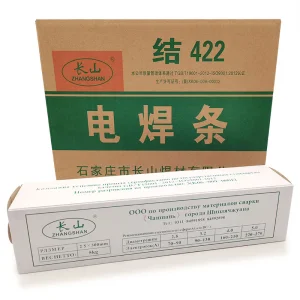
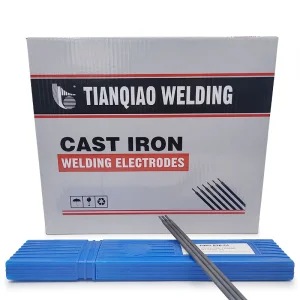
A: Yes, as a dedicated OEM factory, we offer private labeling, customized box designs, and even specific color-coding for the electrodes to match your brand's identity and market requirements.
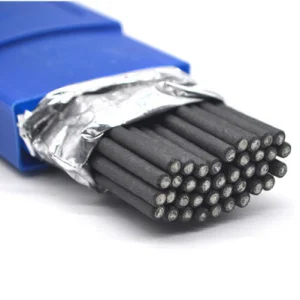
A: Our electrodes are baked at high temperatures and can be supplied in hermetically sealed vacuum packaging or re-sealable plastic containers to prevent moisture pickup, which is vital for preventing porosity in welds.
 Tianqiao Welding