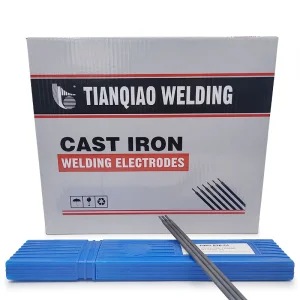
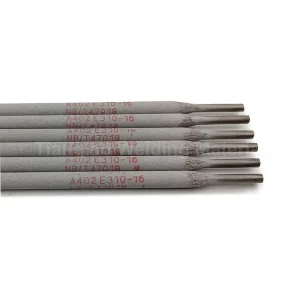
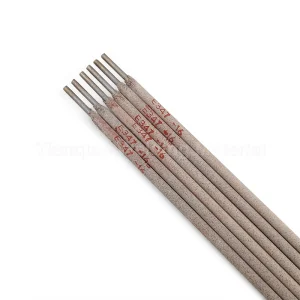
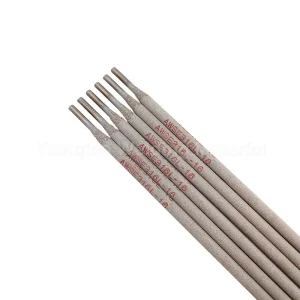
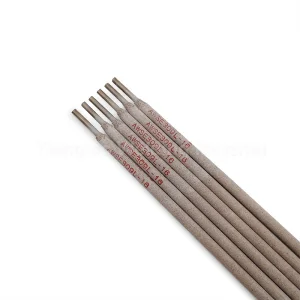
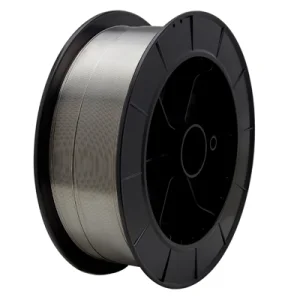
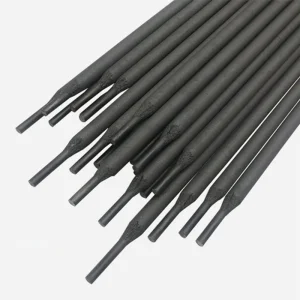
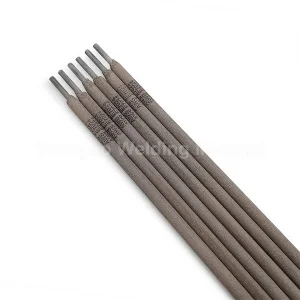
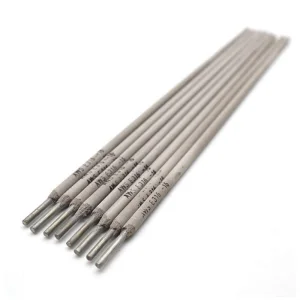
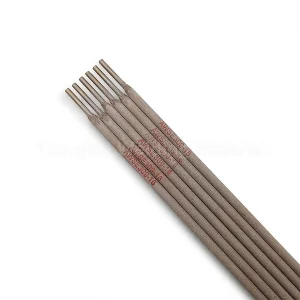
In the modern industrial landscape, AWS E316L-16 (equivalent to A022) represents the pinnacle of corrosion-resistant welding consumables. As a China-based leader, Shijiazhuang Tianqiao Welding Materials Co., Ltd. has pioneered the manufacturing of these electrodes to meet the surging global demand for durable infrastructure.
E316L-16 is an ultra-low carbon stainless steel electrode with a lime-titania type coating. The "L" signifies its low carbon content (≤0.04%), which is critical for preventing intergranular corrosion in welded joints. This technical advantage makes it indispensable for the petrochemical, pharmaceutical, and marine engineering sectors.
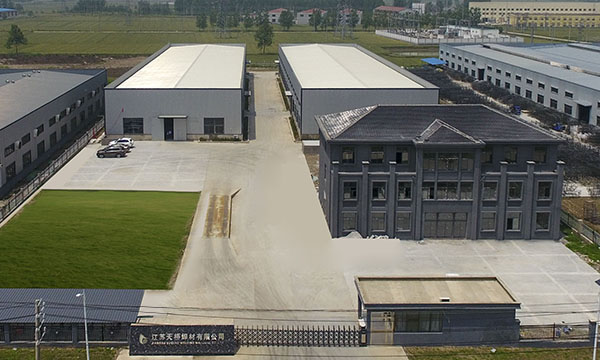
Shijiazhuang Tianqiao Welding Materials Co., Ltd. was founded in 2007 located in 30 kilometers in the southwest of shijiazhuang. Our factory traffic is very convenient just 20 kilometers to the west of 107 national highway, also near to the Shixing and Jingzan highway. We have strong technical force, complete product testing equipment so that we can keep stable product quality.
Our company is composed of production department, technical department, R&D department, QC & Laboratory, Sale department, Logistic department. This integrated structure ensures that every E316L-16 electrode leaving our factory meets the rigorous AWS A5.4 standards.
Optimized Molybdenum (Mo 2.0-3.0%) content provides superior resistance to pitting and crevice corrosion in chloride environments. Low carbon prevents carbide precipitation.
Our E316L-16 features excellent arc stability, low spatter, and self-detaching slag. It supports both AC and DC+ currents, making it versatile for site work.
Tensile strength ≥ 490 MPa with Elongation ≥ 30%. Designed to maintain structural integrity under thermal cycling and cryogenic temperatures.
Where high-performance welding meets industrial necessity.
Saltwater is the enemy of metal. E316L-16 electrodes are specifically used for welding 00Cr17Ni14Mo2 stainless steel in desalination plants, offshore oil rigs, and shipboard piping systems. The molybdenum content ensures the joints don't pit in high-salinity environments.
Operating in environments with organic and inorganic acids (like urea or acetic acid) requires welds that won't fail due to intergranular corrosion. Our E316L-16 provides the reliability needed for pressure vessels and heat exchangers.
Cleanliness is paramount. The smooth bead profile and easy slag removal of our electrodes ensure that welded joints in food processing or pharmaceutical tanks are easy to sanitize and free of bacterial traps.
We provide localized technical support and documentation including MTRs (Material Test Reports) and Certificates of Conformance tailored for US (AWS), European (EN ISO), and Asian (JIS/GB) standards.
Tianqiao is investing in AI-driven flux formulation to reduce hexavalent chromium fumes by 30%, promoting a greener and safer environment for welders globally.
With a 100% export-oriented strategy, we maintain strategic stockpiles in major hubs to ensure a 14-day lead time for standard E316L-16 orders worldwidely.
A: The "L" in E316L-16 stands for "Low Carbon" (max 0.04%). This reduces the risk of carbide precipitation during welding, making the weld much more resistant to intergranular corrosion compared to the standard E316-16.
A: Yes, it is often used for welding 302, 304, and 316 grades, especially when the service environment is highly corrosive. However, always consult your welding engineer for specific procedure qualifications.
A: They should be kept in a dry, ventilated area. If the package is opened, they should be re-baked at 150°C-250°C for 1 hour before use to ensure moisture-free coating for X-ray quality welds.
A: Yes, we provide full OEM and ODM services, including custom branding (Yuanqiao, Changshan), packaging, and specific flux modifications to meet your local market demands.
 Tianqiao Welding